National Alzheimer’s Disease Month

November 23, 2022

National Alzheimers Month

No one knows your family like you do. So, you will most likely be the first to notice small changes in their cognition. It is an awkward place to be. You want to help your parent or loved one but at the same time not offend them. It isn’t uncommon for loved ones to react in frustration, anger, or fear when discussing cognitive decline. Here are a few tips to consider before you voice your concerns with your loved one.


Have a plan.

Before the conversation begins, make sure you have a plan or recommendation for your loved one.  Most people start by contacting their primary care doctor with concerns. At The Tinnitus and Hearing Center of Arizona, we also begin with primary care when there are concerns about cognition. 


According to
A Place For Mom, here is a list of things to write down before they visit their primary:

  • When the behavior first started
  • Symptoms noticed
  • How often do they struggle, and when it happens
  • Changes to their regular routine or behaviors


At The Tinnitus and Hearing Center of Arizona, we can definitely be part of your plan as you and your loved one goes through this difficult journey. Our kind and compassionate team is here to rule out hearing loss as a contributing factor. 


How you say it matters

Remember that saying, “it’s not what you say; it’s how you say it.” This phrase is a good one to remember when conversing with someone who is showing signs of cognitive decline. Depending on their stage of cognitive decline, they may not remember the specific issues you are trying to bring to their attention. Still, they will remember how you presented the idea of getting help. 


We have also found it helpful to allow for pauses in the conversation. Breaks in conversation allow time for our patients or their loved ones to process and tell us their concerns. Pauses in conversation are also helpful for family members and may encourage more discussion.


Routine Evaluations

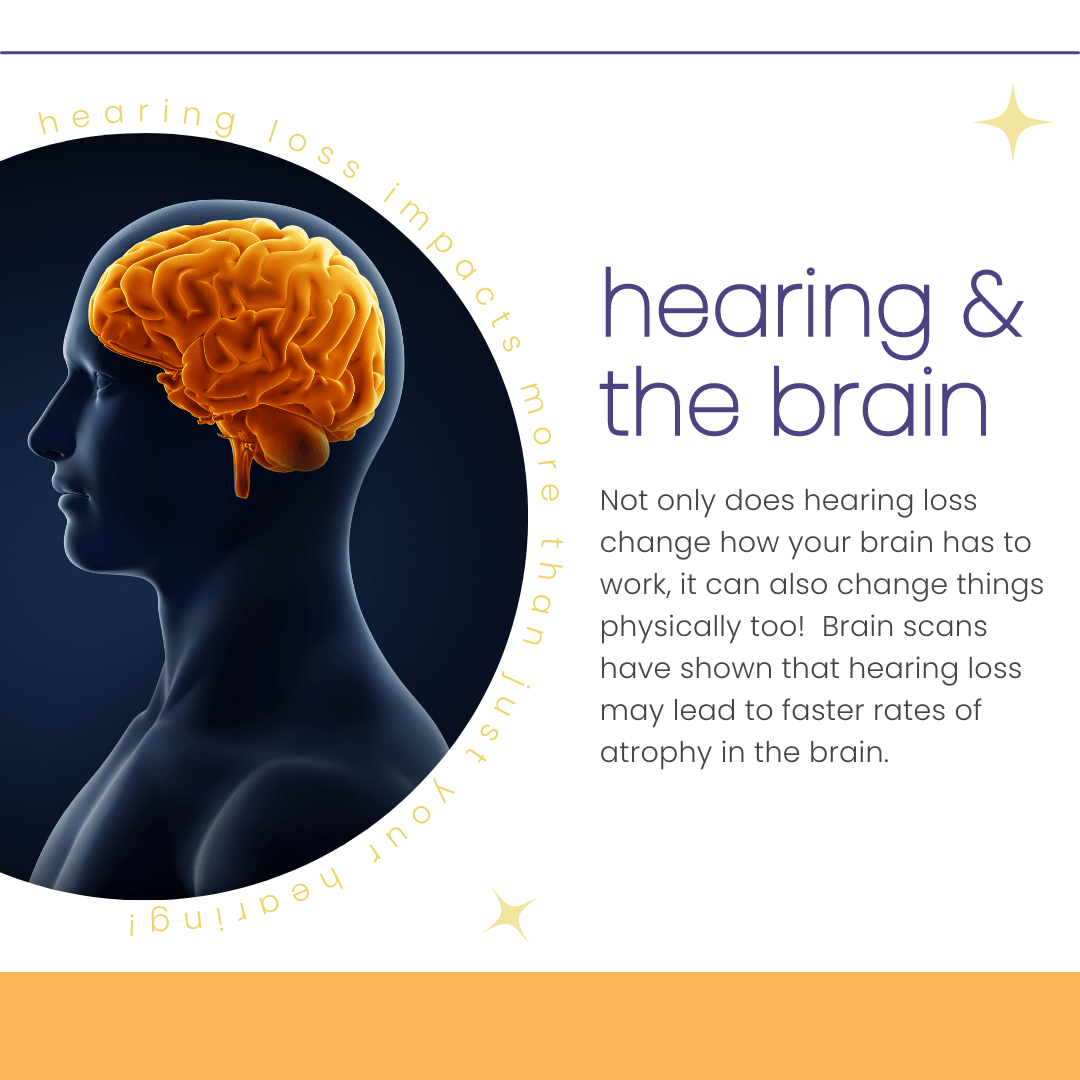
It is well-known that there is an association between cognition and hearing loss. If you are concerned about your loved one developing cognition issues hearing loss is something that we feel is very important to rule out. Make sure that when you schedule a visit with your primary care provider, you also remember to schedule a routine hearing evaluation. 


Get Support

A diagnosis of any cognitive disorder is a life-changing event. It is not uncommon for our patient’s loved ones to comment that they receive support too. According to Alzheimer’s Association, there is a 24/7 hotline. To talk with a dementia expert, now call 1-800-272-3900.


Source:


8 dementia symptoms and what to do. A Place for Mom. (2018, July 5). Retrieved October 18, 2022, from https://www.aplaceformom.com/caregiver-resources/articles/dementia-symptoms-to-track 

Home. Alzheimer's Disease and Dementia. (n.d.). Retrieved October 18, 2022, from https://www.alz.org/ 

March 29, 2026
If you’ve ever thought about hearing aids and wondered, “How do I know they’re actually set up correctly for my ears?” you’re asking an excellent question.
March 27, 2026
New AI-Powered Hearing Aid Combines Premium Sound Quality and All-Day Rechargeability in Nearly Invisible Design
By alyssa brekken February 2, 2026
Anxiety can cause many ailments, including tinnitus. Meanwhile, tinnitus can worsen anxiety. The two together can fuel a vicious cycle, but there are ways to tame down each and help alleviate the tinnitus and anxiety relationship. The Vicious Cycle: How Tinnitus Fuels Anxiety Those who have or have had tinnitus will likely agree that the constant noise is hard to get relief from. For many, it can worsen anxiety, and for some, it can directly cause it. Unfortunately, tinnitus and mental health issues often feed on each other. When general anxiety elevates to a fight-or-flight response, it creates an elevation in heart rate and shortness of breath, which heightens tinnitus. Alone or together, tinnitus and anxiety often make it hard to relax, to fall asleep, and to stay asleep. For some, the combination of tinnitus and anxiety also leads to social avoidance and isolation. That worsens the anxiety and contributes to depression. Concern may grow that the tinnitus will never go away and that it may be a sign of something more serious. This can lead to insecurity about the future and a feeling of hopelessness. The Amplifier: How Anxiety Worsens Tinnitus Stress hormones, including adrenaline, cortisol, and epinephrine, affect the nervous system and can affect the auditory system itself, leading to a reduction of blood circulation in the ears. The overstimulation of the nervous system can also cause cell damage through a lack of oxygen, worsening tinnitus, and contributing to a loss of hearing. For those who experience panic attacks, both a temporary ringing and long-term tinnitus, along with a pulsating in the ear canals, may begin as a panic attack heightens. The sound and pulsations can contribute to anxiety and cause a fear of potential threats. As such, the tinnitus amplifies and becomes louder, more noticeable, and more irritating.
November 26, 2025
If you’re experiencing hearing loss, you have probably wondered whether you really need a prescription hearing aid or if you can just grab one from a big box store or the internet.
A man sitting on a sofa holds his temples, grimacing from a headache, with a motion blur effect.
By Allen Rohe November 10, 2025
Anxiety and tinnitus often go hand in hand. Explore the link between stress and ear ringing and learn how holistic treatment can bring relief.
A young man is posing against a plain white background, showing visible signs of toothache or jaw pa
By Allen Rohe November 4, 2025
Try these simple TMJ and neck exercises to relieve tinnitus symptoms naturally at home. Learn how physical therapy can support long-term tinnitus management.
Older man receiving an ear examination from an audiologist or doctor using an otoscope, highlighting
By alyssa brekken October 23, 2025
Wondering why tinnitus treatment isn't covered by insurance? Learn what most policies exclude, why it happens, and how you can still get effective care in Arizona.
Learn the key differences between misophonia, phonophobia, and hyperacusis. Discover how these audi
By SEO Salem October 16, 2025
Learn the key differences between misophonia, phonophobia, and hyperacusis. Discover how these auditory conditions relate to tinnitus and what treatments are available.
June 13, 2025
We’re still surprised how many people have outdated ideas about what hearing aids are like. It’s common for patients to come in expecting large, uncomfortable devices that distort sounds or make everything seem tinny or artificial. In fact, one of the first things many of our patients say is, “I can’t believe how natural everything sounds!” Or they might remark on how comfortable they are to wear. We love pleasantly surprising people!
What Is Misophonia?
By SEO Salem May 12, 2025
Curious about misophonia? Explore the causes, common triggers, symptoms, and treatment options for sound-triggered emotional responses from our Arizona audiologists.