What Is a Tinnitus Device?

Tinnitus is often described as a phantom sound. Whether it sounds like ringing, buzzing, or hissing, the impact on your daily life can be significant. Many people are told there is no cure for tinnitus, leading them to believe that nothing can be done. However, while a "pill" to switch off the sound does not exist, a tinnitus device can be a highly effective tool for managing the condition.
A tinnitus device is a specialized piece of technology designed to reduce the perception of sound or retrain the brain to ignore it. These are not simple noise makers; they are clinical tools used as part of a comprehensive treatment plan to help you regain control over your symptoms.
What a Tinnitus Device Is (and isn’t)
It is important to distinguish between a medical tinnitus device and general consumer electronics. While many people try to use white noise machines or smartphone apps to drown out the ringing, these are not true tinnitus devices.
A true tinnitus treatment device is a calibrated tool used by an audiologist to target and change the specific characteristics of your tinnitus. It is not a "masker" that simply plays a loud noise to hide the ringing. Instead, these devices are designed to provide therapeutic stimulation to induce meaningful neuroplastic changes in the brain over time. The goal is not just to cover the sound but to decrease the emotional and physical distress caused by the phantom noise.
Types of Tinnitus Devices (Sound Therapy vs Neuromodulation)
Most devices fall into two primary categories: sound therapy and neuromodulation.
Sound Therapy Devices
These often look like traditional hearing aids. They deliver a programmed "background" sound that is customized to your hearing profile. This helps the brain shift its focus away from the tinnitus. For many patients, especially those with co-existing hearing loss, these devices provide immediate relief by making the tinnitus less prominent compared to the sounds of the world around them.
Neuromodulation Devices
This is a more advanced category of treatment. Rather than just playing sound, a neuromodulation device uses specific inputs to "rewire" the neural pathways in the brain. The intent is to address the maladaptive neuroplasticity that causes the brain to stay stuck on the tinnitus sound. By providing bimodal stimulation, these devices help the brain reorganize its sensory processing.
Why Professional Evaluation Matters
There is no one size fits all solutions for tinnitus. Because the causes vary, ranging from noise exposure to nerve damage or stress, the treatment approaches must be personalized.
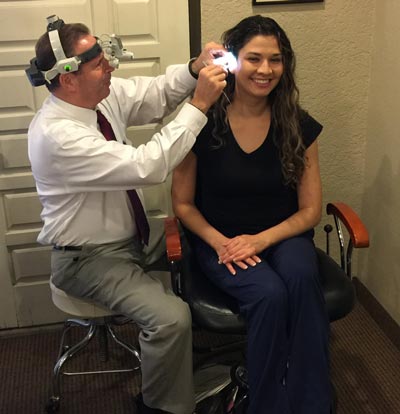
A professional evaluation at the Tinnitus & Hearing Center of Arizona involves careful and thorough consideration of all of your case details. When necessary, consultation with additional specialists may be recommended as well. Successful treatments often require a team of dedicated professionals.
Who Benefits Most from Tinnitus Devices
Tinnitus devices are particularly beneficial for individuals who find that the ringing interferes with their sleep, concentration, or emotional well-being. If you find yourself avoiding quiet rooms or feeling anxious because of the noise in your ears, a device may be the right step.
These tools are also highly effective for those with "subjective tinnitus," where the sound is only heard by the patient. By providing consistent therapeutic input, the device helps the nervous system move out of a "fight or flight" response and back into a state of calm.
When to Consider Lenire
One of the most significant breakthroughs in tinnitus technology is the FDA approved Lenire tinnitus device. Lenire is a bimodal neuromodulation system. It works by combining acoustic stimulation delivered through wireless headphones while simultaneously applying gentle electrical stimulation to the tongue's surface via a small component called a Tonguetip.
This dual-stimulation approach retrains the brain to pay less attention to tinnitus over time. This also results in your experiencing less awareness and a reduction in its loudness and pitch. If you have tried traditional sound masking or hearing aids with limited success, Lenire may be the next logical step. It is a non-invasive, home-use treatment that has shown remarkable results in clinical trials for reducing tinnitus severity.