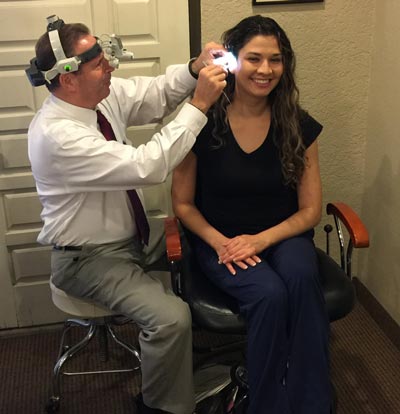
COVID-19 and Tinnitus
November 15, 2021

COVID-19 and Tinnitus - Are They Related?
If you experience ringing or buzzing in one or both ears, you may have tinnitus. In my other article, I discuss the different causes and treatment for tinnitus. The purpose of this article is to investigate research that links COVID-19 to tinnitus.
Analyzing The Facts
In a systematic review of hearing-related symptoms post-coronavirus published by the International Journal of Audiology, nearly 15 percent of patients reported tinnitus, although the authors do mention this number may be overestimated. Although scientists are learning more about how the novel coronavirus affects the body, much remains to be discovered. According to Kevin Munro, Au.D.,
a professor of audiology at the UK's Manchester Center for Audiology and Deafness, coronavirus affects other organs and systems beyond the respiratory.
In December 2020, Munro conducted a study looking for audio-vestibular symptoms associated with the coronavirus. When this study was completed early during the pandemic, researchers were unable to find any symptoms related to severe acute respiratory syndrome (SARS) or Middle East respiratory syndrome (MERS). However, this time, Murs discovers that an estimated:
- 7.6% of people report hearing loss
- 14.8% report tinnitus
- 7.2% report vertigo
However, the study lacked control groups, leading to the possibility of error. Yet, a connection between tinnitus and COVID-19 is not implausible.
Other Factors
If COVID-19 does not directly cause tinnitus, it may cause it indirectly through lifestyle changes. During the pandemic, people experienced huge changes from their daily routines. Their social activity, sleep schedules, and diet may have dramatically worsened. These factors play a role in one’s auditory health as well as other physical fitness. To ensure your body remains strong and fit in all areas, be sure to get adequate sleep, exercise, nutrition, and hydration. Also, be sure to ease stress through social activity and daily sunshine.
Consider the Options
If you are noticing auditory problems after recovering from COVID-19, don’t hesitate to reach out to an experienced audiologist who can assess your hearing and provide advice. At
The Tinnitus and Hearing Center of Arizona
, we can help guide you to the help you need.
References
Almufarrij, Ibrahim and Kevin J. Munro. “One Year On: An Updated Systematic Review of SARS-CoV-2, COVID-19 and Audio-vestibular Symptoms.” International Journal of Audiology. Published March 22, 2021. https://www.tandfonline.com/doi/full/10.1080/ 14992027.2021.1896793?journalCode=iija20.
Madeleine Burry. “COVID-19 and Tinnitus: What’s the Connection?” Healthyhearing.com. Published June 7, 2021. https://www.healthyhearing.com/report/53206-Covid- tinnitus-and-coronavirus
Silence can amplify tinnitus symptoms. Learn why this happens and how sound-based therapies can help reduce awareness.
Does tinnitus feel worse at night? Learn why symptoms intensify and what strategies and treatments can help you sleep better.
Tinnitus isn’t just in the ears. Learn what’s happening in the brain and how modern treatments target neural pathways.

Tinnitus & Hearing Center of Arizona Introduces Oticon Reveal™ Hearing Aids: World's First Dual AI Technology Delivers Natural Hearing Experience

Wondering when Lenire starts working? Learn typical timelines, what progress looks like, and how to maximize results.
Not everyone improves with tinnitus devices. Learn why some treatments fail and how expert care increases success.

Can tinnitus disappear on its own? Learn when tinnitus may go away and why management is often the most effective long-term solution.

Buzzing, ringing, hissing, tinnitus sounds vary widely. Learn why tinnitus is different for everyone and how personalized treatment helps.

Not all tinnitus responds the same way. Learn which types benefit most from neuromodulation treatments like Lenire.

Wondering why tinnitus devices aren’t covered by insurance? Learn how coverage decisions are made and what options patients still have.