Hearing Aids Basics 101 - Pt. II

Hearing Aids Basics 101 - Pt. II
 How Do Different Hearing Aids Work?
Depending on the electronics used, hearing aids operate differently. Digital and analog are the two electronic variations.
Sound waves are converted into amplified electrical signals in analog hearing aids. To fit the exact requirements of the user, analog/adjustable aids are tailor made. The recommendations made by your audiologist are used by manufacturers to program the aid and meet your specific needs. These aids are designed with variable settings or programming. Users can change the settings to fit their listening environments, from wide, open spaces like stadiums or theaters, and crowded, noisy restaurants to small quiet spaces, after their audiologist uses a computer to program the hearing aid. All types of hearing aids can be designed using these programmable/analog electronics.
When compared to digital hearing aids, analog variants are more affordable.
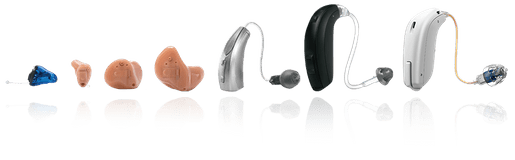
Before amplifying sound waves, digital aids normally convert them into numerical codes, just like a computer’s binary code. These hearing aids can be programmed to increase the intensity of some sound frequencies over others because the numerical code also captures details of the pitch of the sound. When it comes to customizing a hearing aid to the specific listening environment and requirements of the user digital electronics provide audiologists with more options. The direction from which the sounds the user wants the aid to focus on can be specified when using digital aids. All types of hearing aids can be designed using digital electronics.
Which Hearing Aid Should I Choose?
The extent and type of your hearing loss determines which hearing aid you should use. To send a more natural signal to the brain, you should choose two hearing aids if you have lost hearing in both ears. Furthermore, you will be able to easily identify where the direction of the sound and better understand speech by hearing in both ears.
Pay attention to your lifestyle and requirements when you are looking for the right hearing aid with your audiologist. Since the cost of hearing aids ranges between hundreds and thousands of dollars, be sure to consider price as well. Styling details and functionality also affect pricing just as is the case with other electronic devices. When looking for the best hearing aid however, don’t solely rely on pricing. A hearing aid won’t automatically meet all your needs simply because it is expensive than others.
Your normal hearing cannot be restored by a hearing aid. Your awareness of sounds and their origin/sources can however be improved with the help of a hearing aid with time. Choose a well-suited and easy-to-use hearing aid as you will need to wear it regularly to get the most out of it. The manufacturer’s reputation with regard to customer support and quality, potential upgrades, options, repair and maintenance schedule and costs and the warranty cover for services and/or parts are some of the other factors to keep in mind.
Before buying a hearing aid, ask your audiologist the following questions:
- Which specific features should you look for?
- How much will you need to spend on the aid in total? Are the higher prices of the latest hearing aids justified by their advantages?
- Does the hearing aid come with a trial period? In most cases, a refund can be issued if the hearing aid is returned to the manufacturer within thirty to sixty days. If you return the aid after the trail period, how much of what you paid can you expect to be refunded?
- When does the warranty expire? Is it possible to extend it? What is covered by the warranty?
- Is it possible for your audiologist to repair or service the hearing aid? When repairs are ongoing, will you be provided with a temporary replacement?
- Will your audiologist offer any directions for use?
Getting Used To Your New Hearing Aid
To use your hearing aid successfully, you will need to be patient. You will be able to get used to using your hearing aid if you wear it more frequently.
Master the features on your hearing aid. Practice wearing and removing the aids, changing out the batteries, distinguish between left and right aids and also how to clean it with your audiologist there. Seek clarification on how test it in listening environments where hearing becomes a challenge to you. When sounds are too low or too loud, find out how you can program it or adjust the volume to make comfortable hearing possible. When all your concerns have been answered, you can leave the audiologist in confidence.
Challenges to expect during the hearing aid adjustment period:
-
- Discomfort when wearing the hearing aid. When wearing the aid for the first time, some people may experience some sort of discomfort. Find out how long you should keep the aid on you during the bedding-in period.
- Does your voice sound too loud to you? People using hearing aids for the first time may experience the occlusion effect, a plugged up feeling that ends up making your voice sound louder to you. Find out whether there is a correction for this from your audiologist. However, with time, most users adjust to the effect.
- My hearing aid is giving out feedback. If your aid is full of earwax, not functioning properly or doesn’t fit well it may sound as if it is producing a whistling noise. Consult your audiologist for solutions.
- My hearing aid is picking up a lot of background noise. The sounds you want to hear and those you don’t want are all picked up by the hearing aid. Some adjustments may however be needed in some cases. Your audiologist may be able to help.
- When using a mobile phone I hear a buzzing noise. Radio frequency interference may cause problems when using a digital mobile phone with a hearing implant or hearing aid also in place. These issues are on the decrease as mobile phone and hearing aid technology improves. You should take your mobile phone with you, to see if it works well with the aid you are about to get, when you are being fitted for a new hearing aid.
At Tinnitus and Hearing Center of Arizona, we want you to be 100% satisfied, and so we offer additional options for fine tunings and adjustments – far more than the strip mall or megamart stores will provide. It’s a far better move to go with a trusted specialist for your hearing needs. If your looking for hearing aids in Phoenix metro, we encourage you to contact us today for a free hearing aid demonstration and start hearing better today!
Call (480) 831-6159 or use our online scheduler.
The information provided in this article is not meant to be medical advice and is for educational purposes only. If you would like to learn more about this and other hearing-related topics, feel free to contact Tinnitus & Hearing Center of Arizona by clicking here or by calling 480-831-6159.