Hearing Loss for Military Veterans: Causes & Treatment Options in Arizona
July 24, 2019

Hearing Loss For Military Veterans Is Common
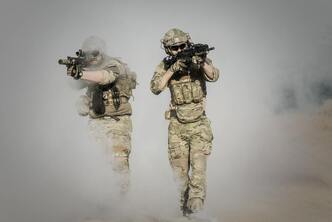
loss of hearing is an inevitable cost of war
Scary Statistics
- Almost every soldier, sailor, marine and any other member of the armed force are exposed to hazardous noise levels at some point in their career. Estimates show that more than 2.6 million US military personnel have been engaged in combat in the last decade.
- The CDC (Center for Disease Control) estimates that an astounding 414,000 veterans have returned home with mild to severe tinnitus or hearing loss after 2001.
- A paper by Yong and Wang published in 2015, reported that the prevalence of hearing impairment in the military population is far greater than in the general public.
- In 2012, the two most prevalent disabilities for veterans in the United States are tinnitus and hearing loss, with tinnitus affecting 115,638 veterans (9.7%) and hearing loss affecting 69,326 veterans (5.8%).
- Another study published in the Journal of General Internal Medicine, in 2011, observed that 16.4 -26.6 % of men and 7.3 - 13.4 % women in military service suffer from serious hearing loss and tinnitus.
- A 2015 study by Theodoroff, reported that tinnitus, noise-induced hearing loss, and central auditory dysfunction in veterans are categorized under secondary injuries. These injuries are not routinely evaluated and not properly funded.
Causes:
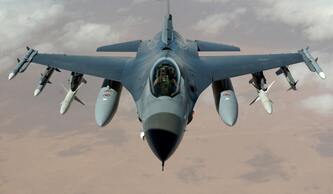 A military environment is very noisy. Not a basic humdrum but unbelievably loud noises. Sounds such as the engines of ships, planes, helicopters and tanks and general military and combat noise is enough to cause severe tinnitus and loss of hearing.
- Severe hearing loss is caused by bomb detonations, improvised explosive devices, and loud weapons. For example, the crack of a standard M16A2 rifle is 152 decibels, which might be enough to cause irreparable damage.
- Training exercises with machine guns, artillery, explosives, are all very loud noises.
- Field generators and powerful “bunker-buster” bombs are louder.
- New technology has enabled larger and louder weapons than before and therefore the incidence of hearing impairment is probably rising each year.
The challenges:
It takes 7 years to seek help
Exposure to blasts affects central auditory processing
Treatment

The information provided in this article is not meant to be medical advice and is for educational purposes only. If you would like to learn more about this and other hearing-related topics, feel free to contact Tinnitus & Hearing Center of Arizona by clicking here or by calling 480-831-6159.
Silence can amplify tinnitus symptoms. Learn why this happens and how sound-based therapies can help reduce awareness.

Does tinnitus feel worse at night? Learn why symptoms intensify and what strategies and treatments can help you sleep better.

Tinnitus isn’t just in the ears. Learn what’s happening in the brain and how modern treatments target neural pathways.

Tinnitus & Hearing Center of Arizona Introduces Oticon Reveal™ Hearing Aids: World's First Dual AI Technology Delivers Natural Hearing Experience

Wondering when Lenire starts working? Learn typical timelines, what progress looks like, and how to maximize results.
Not everyone improves with tinnitus devices. Learn why some treatments fail and how expert care increases success.

Can tinnitus disappear on its own? Learn when tinnitus may go away and why management is often the most effective long-term solution.

Buzzing, ringing, hissing, tinnitus sounds vary widely. Learn why tinnitus is different for everyone and how personalized treatment helps.

Not all tinnitus responds the same way. Learn which types benefit most from neuromodulation treatments like Lenire.

Wondering why tinnitus devices aren’t covered by insurance? Learn how coverage decisions are made and what options patients still have.