Why Silence Can Make Tinnitus More Noticeable
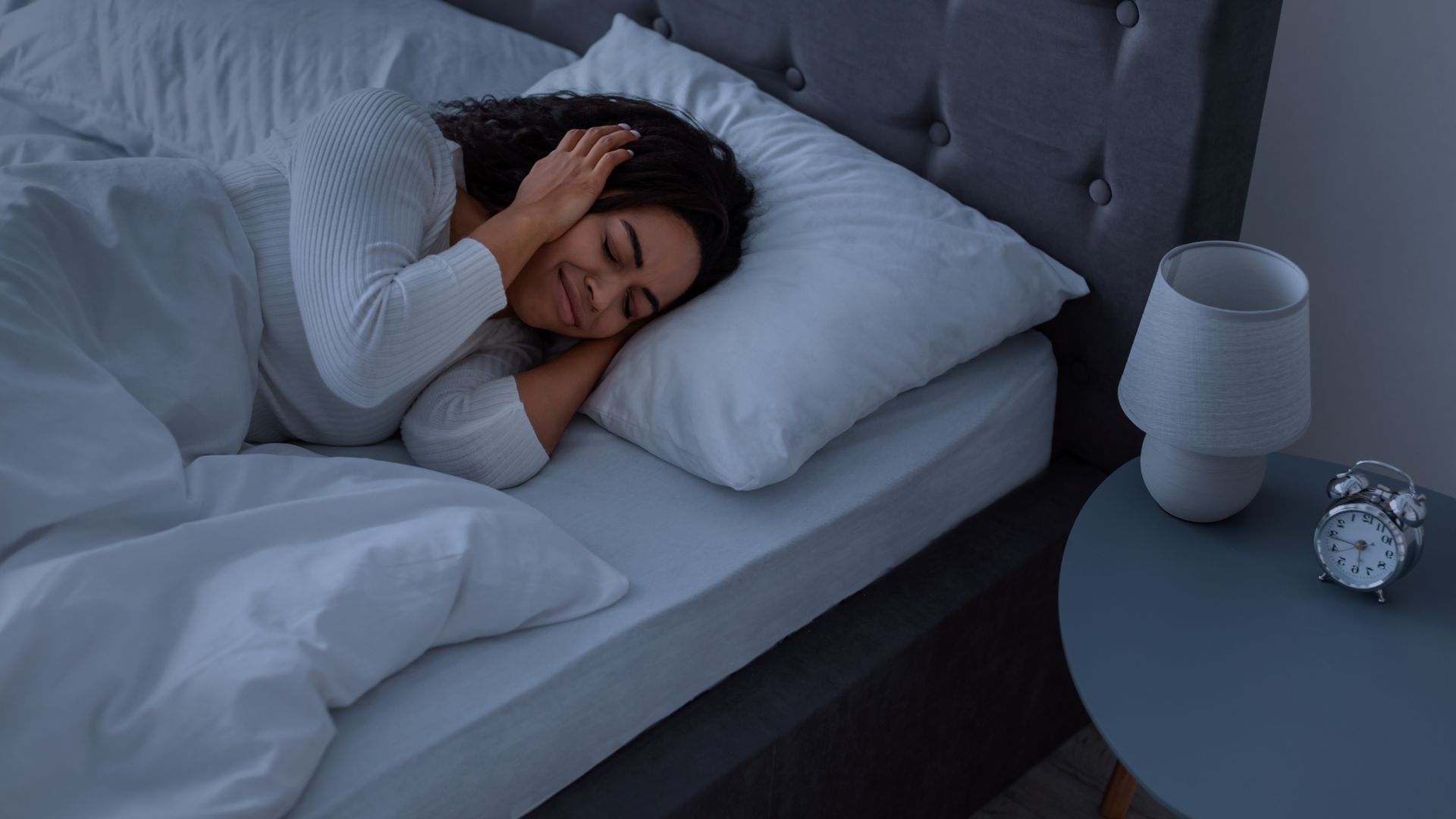
Tinnitus can seem louder in a quiet room, especially when there are few outside sounds to draw your attention elsewhere. This does not necessarily mean the tinnitus itself has become stronger. Instead, silence can make internal sounds more noticeable by changing how your brain processes sound and directs attention. Understanding the connection between silence and tinnitus can help explain why symptoms may stand out at bedtime or in other quiet settings.
Tinnitus & Hearing Center of Arizona in Tempe offers personalized tinnitus evaluations and treatment options, including sound-based therapies and Lenire, for appropriate candidates.
Read on to learn why tinnitus stands out in silence and how sound-based approaches may help reduce tinnitus awareness.
How the Brain Responds to Silence
The auditory system continuously monitors the environment for sound. In everyday settings, background noise from sources such as air conditioners, traffic, or nearby conversations can make internal sounds less noticeable. In a quiet room, however, there is less external sound competing for the brain’s attention, making tinnitus easier to detect. This increased awareness does not necessarily mean the tinnitus itself has become more intense; rather, the surrounding silence can make the existing sound stand out more clearly.
Why Tinnitus Stands Out More in the Quiet
Attention Can Influence Tinnitus Awareness
In a quiet environment, there are fewer external sounds competing for your brain’s attention, allowing tinnitus to become more noticeable. Once you notice the sound, focusing on it can make it seem even more prominent, increasing tinnitus awareness. This can be especially noticeable at bedtime, while reading, or when working in a quiet office. Hearing tinnitus more clearly in these situations does not necessarily mean your symptoms are worsening. Instead, it can reflect how the brain responds when there is less external sound to process.
The Role of Sound Enrichment: How Background Noise Can Shift Attention
Sound enrichment adds gentle, consistent background noise to your environment, reducing the contrast between tinnitus and complete silence without necessarily attempting to mask the sound entirely. Options may include a fan, soft nature sounds, ambient audio, or other low-level sounds that provide the auditory system with additional input.
For some people, this added sound can make tinnitus less prominent by giving the brain another source of auditory information to process. Sound enrichment may be particularly useful during quiet activities or at bedtime, when tinnitus awareness tends to increase. The goal is generally to create a comfortable listening environment rather than turn the volume up high enough to overpower the tinnitus.
The most appropriate sound will vary based on your hearing, tinnitus characteristics, listening environment, and personal preferences. A comprehensive hearing and tinnitus evaluation can help identify sound-based strategies that fit your symptoms and daily routine. In some cases, a hearing professional may also recommend more structured sound therapy as part of a personalized tinnitus management plan.
How Lenire Uses Controlled Stimulation
For individuals looking for a structured approach beyond basic sound enrichment, Lenire uses a non-invasive form of bimodal neuromodulation. The system combines customized sound delivered through headphones with mild electrical stimulation to the tongue through a component called the Tonguetip. By providing auditory and tongue stimulation together, Lenire is designed to engage multiple sensory pathways involved in how the brain processes sound. Treatment settings are personalized based on an individual’s tinnitus and hearing profile, making a professional evaluation an important first step in determining whether Lenire may be appropriate.
Is It Time for a Tinnitus Evaluation?
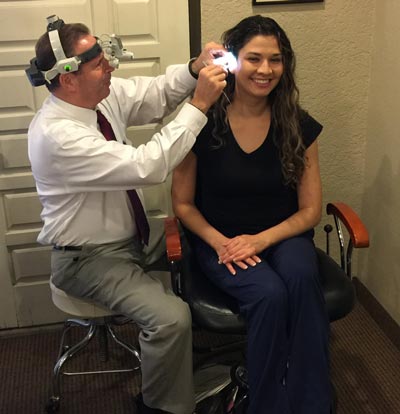
Under the guidance of Dr. Allen Rohe and our experienced clinical team, treatment options are personalized based on your hearing profile, tinnitus symptoms, and evaluation results. If tinnitus becomes more noticeable in quiet spaces, schedule a comprehensive tinnitus evaluation at Tinnitus & Hearing Center of Arizona in Tempe to discuss whether Lenire or an individualized sound-based approach may be appropriate for you.
Image credit: // Shutterstock // Yurii_Yarema