Why Tinnitus Sounds Different for Every Patient
- Tinnitus sounds different for everyone because the brain generates the noise based on specific areas of auditory damage.
- Your perception of ringing or buzzing is directly linked to the exact frequencies where you have hearing loss.
- Because each person has a unique hearing profile, treatment must be highly customized to provide genuine relief.
Tinnitus is a highly individualized condition where the brain creates phantom sounds in response to auditory system damage. Tinnitus & Hearing Center of Arizona understands that no two patients experience these irritating noises in exactly the same way. We see patients daily who are frustrated by sounds only they can hear. We approach this complex condition by examining the specific ways your brain and ears interact. The noises you hear are a direct result of how your neurological system tries to compensate for missing audio information. Resolving this issue requires looking closely at your personal auditory system.
Common Tinnitus Sound Descriptions
Patients experience a wide variety of sounds when dealing with tinnitus. The most frequent types of tinnitus sounds include ringing, buzzing, hissing, roaring, and clicking. About 50 million Americans experience some form of tinnitus, making it one of the most prevalent health conditions in the country. We often hear patients describe their symptoms as sounding like crickets, a high-pitched squeal, or even the low hum of a refrigerator. The specific sound you perceive depends heavily on the underlying causes and the exact frequencies of your hearing deficit. Because these phantom noises are generated internally by your neurological system, they remain completely unique to your personal auditory profile.
How the Brain Interprets Sound
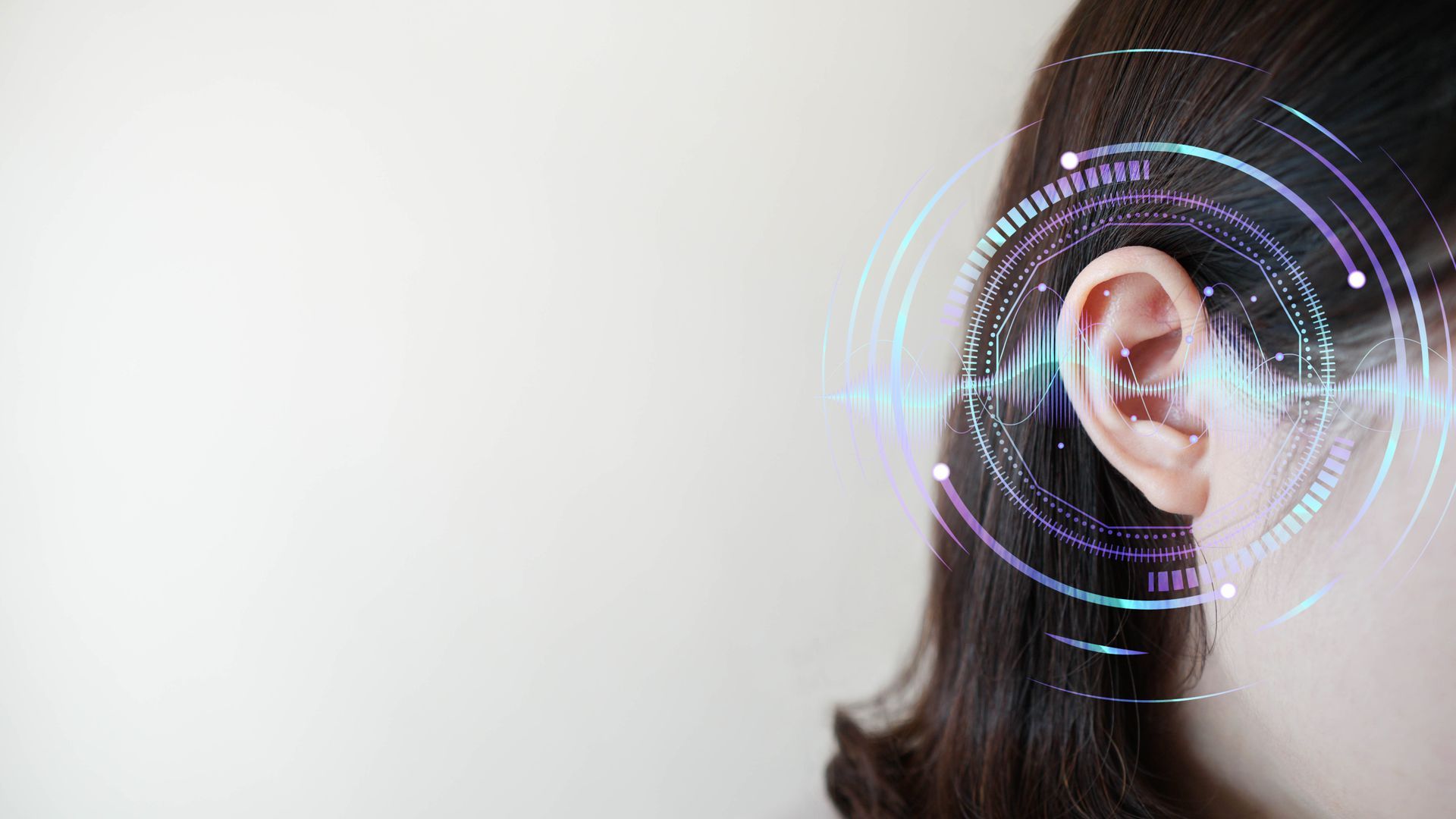
The brain interprets sound by receiving electrical signals from the tiny hair cells located inside your inner ear. When sound waves enter the ear canal, these delicate cells bend and send crucial data to the auditory cortex. However, when these hair cells sustain damage from loud noises, aging, or ear injuries, they stop sending the correct signals. We know that the human brain thrives on constant sensory input. When it stops receiving complete data from the ear, the brain turns up its internal sensitivity to listen harder. This increased neurological activity results in the phantom sounds we identify as tinnitus. The brain essentially creates its own internal noise to fill the silence left by auditory damage, leading to the constant ringing or buzzing you hear.
Why Hearing Loss Changes Tinnitus Perception
Hearing loss changes tinnitus perception by altering the exact frequencies your brain struggles to process. Approximately 90 percent of individuals with tinnitus also have some degree of underlying hearing loss. If you lose the ability to hear high-frequency sounds, your brain will typically generate a high-pitched ringing to compensate for that specific missing data. Conversely, if your hearing loss occurs in the lower frequencies, you might experience a low rumble or a roaring sound. We evaluate your complete audiological profile to map out exactly where these gaps exist. Understanding the direct correlation between your specific hearing deficits and the noises you perceive is a critical step in addressing the root cause of the problem effectively.
Why One Treatment Doesn't Work for Everyone
One single treatment does not work for everyone because each person has a completely unique pattern of hearing loss and neurological response. A generalized approach simply cannot address the specific frequencies and lifestyle triggers causing your distress. We rely on personalized tinnitus treatment plans to provide meaningful, lasting relief. By utilizing customized sound therapy, specialized counseling, and advanced hearing technology, we help your brain habituate to the phantom noises. Customizing the intervention ensures we target the exact sounds you hear rather than applying a broad, ineffective method. Your auditory system requires focused care tailored to your symptoms. Learn more about how our comprehensive care plans can help you by exploring our targeted services.
Schedule Your Personalized Consultation
Taking action is the most important step in finding lasting relief from your unique symptoms. We are dedicated to providing the highly customized care required to quiet the phantom noises disrupting your life. We will thoroughly map your hearing profile and develop a strategy tailored specifically to your neurological needs. Stop letting these sounds dictate your daily routine. Book your appointment today and start your journey toward a quieter, more peaceful life.
Image credit:
// Shutterstock // Orawan Pattarawimonchai