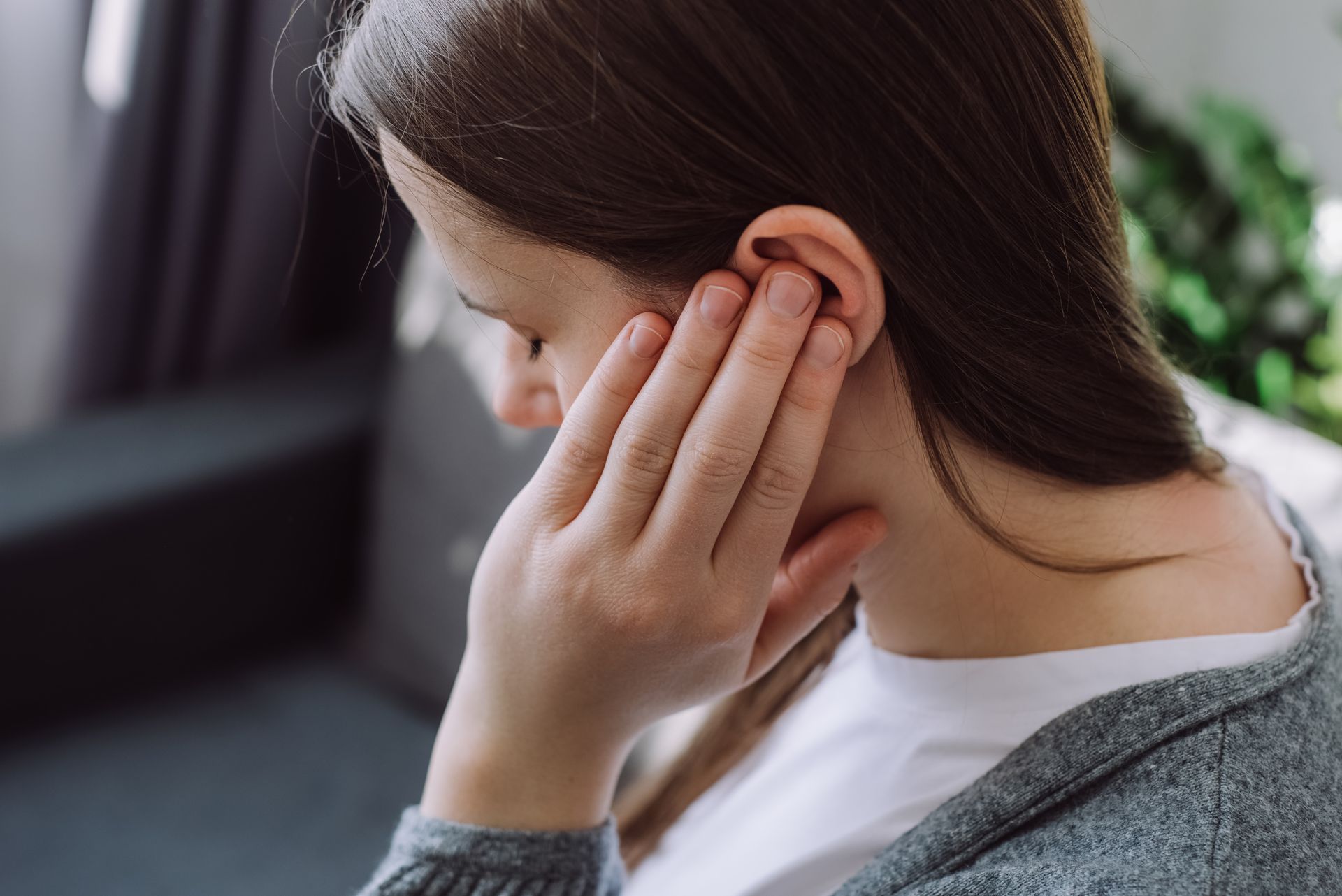
Why Tinnitus Feels Louder at Night and What Helps
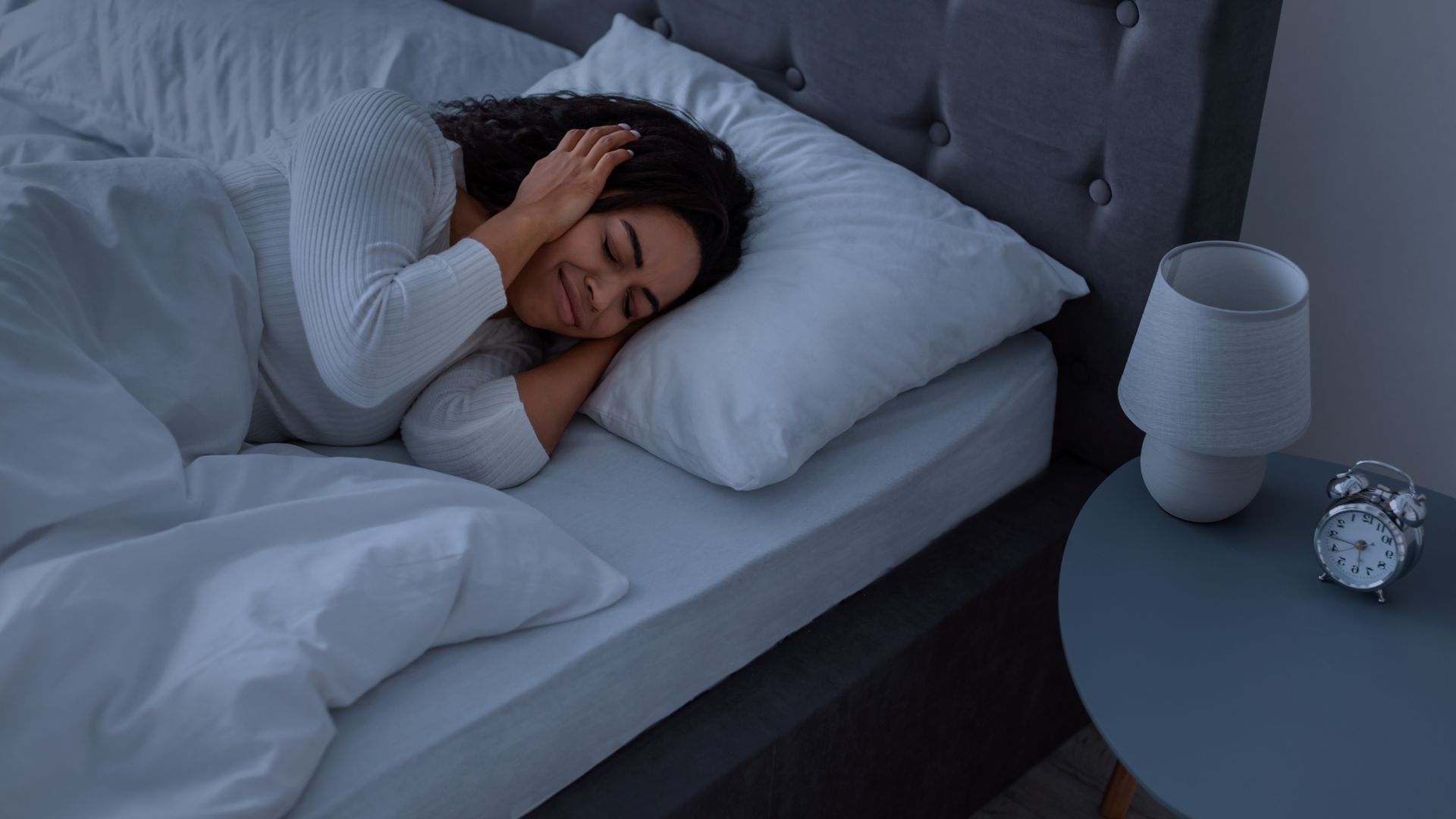
Tinnitus often feels louder at night because a quiet environment provides fewer external sounds to compete with ringing, buzzing, or other internal sounds. Increased attention, fatigue, and difficulty falling asleep can make tinnitus even more noticeable as the day winds down.
The team at
Tinnitus & Hearing Center of Arizona
understands how disruptive nighttime tinnitus can feel. However, noticing your symptoms more at bedtime does not necessarily mean your tinnitus is getting worse. Read on to learn why tinnitus can seem more prominent at night and explore strategies that may make evenings and sleep more manageable.
Why Tinnitus Can Feel Worse at Night
It’s common to notice your tinnitus more at night and wonder why it seems to intensify after the sun goes down. In many cases, the underlying condition has not changed. Instead, quieter surroundings, increased attention, fatigue, and other nighttime factors can make tinnitus more noticeable and seem louder than it does during the day.
The Effect of Silence
Reduced background noise at night can make tinnitus much easier to notice. During the day, conversations, traffic, appliances, and other ambient sounds provide natural background noise that can draw attention away from tinnitus. In a quiet bedroom, those competing sounds fade, allowing ringing, buzzing, or other internal sounds to stand out more clearly.
Attention, Fatigue, and Tinnitus
Attention and fatigue can strongly influence how tinnitus is perceived. When fewer daytime activities compete for attention, it can become easier to focus on ringing, buzzing, or other tinnitus sounds. Fatigue may also make it more difficult to shift your attention away from those sounds, making them feel more prominent as the evening progresses. With nearly 50 million U.S. adults experiencing some form of tinnitus, understanding these factors can help explain why symptoms may seem more noticeable at night.
The Connection Between Tinnitus and Sleep
Tinnitus and sleep can have a two-way relationship. Ringing or buzzing can make it harder to relax, quiet the mind, and fall asleep, while insufficient or disrupted sleep may make tinnitus feel more noticeable and difficult to ignore. Over time, this cycle can affect both nighttime comfort and daytime well-being. Understanding how sleep and tinnitus interact is an important step toward finding strategies that make rest more manageable.
Breaking the Nighttime Attention Cycle
Monitoring your tinnitus throughout the night can unintentionally make the sound more noticeable. Paying close attention to whether it is getting louder can increase awareness and contribute to stress, making it harder to relax and fall asleep. Instead, focus on creating a comfortable, calming sleep environment rather than tracking the sound. Redirecting your attention can help your mind settle and make it easier to transition into rest.
Strategies for Managing Tinnitus at Night
While there is no universal cure for tinnitus, several practical strategies may make nighttime symptoms easier to manage. Consistency is important, and what works best can vary from person to person. Gentle background sound from a fan, white noise machine, or soft environmental audio can reduce the contrast between tinnitus and complete silence. Maintaining a consistent sleep and wake schedule can also support a regular sleep rhythm, while a calming bedtime routine gives your mind time to wind down. Keep your bedroom comfortable, dark, and conducive to sleep, and consider limiting evening habits that can interfere with rest, such as excessive caffeine and bright screen exposure.
When to Seek Professional Tinnitus Treatment
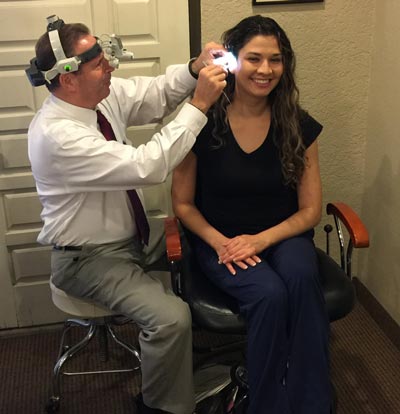
When tinnitus begins interfering with sleep, concentration, or daily life, a professional hearing and tinnitus evaluation can help identify factors contributing to your symptoms and guide appropriate care. Tinnitus & Hearing Center of Arizona offers comprehensive evaluations, hearing aid fittings, and Lenire treatment for appropriate candidates, with recommendations based on your individual symptoms, hearing profile, and needs.
If nighttime tinnitus is affecting your quality of life, contact our Tempe, Arizona, office to discuss your concerns and available options. Led by Dr. Allen Rohe, our team combines personalized care with advanced technology to support patients throughout the surrounding communities. Financing options are also available for eligible services that are often not covered by insurance.
Contact Tinnitus & Hearing Center of Arizona
today.
Image credit: // Shutterstock // Prostock-studio