Tinnitus – Overview and Treatment Options

Tinnitus – Overview and Treatment Options
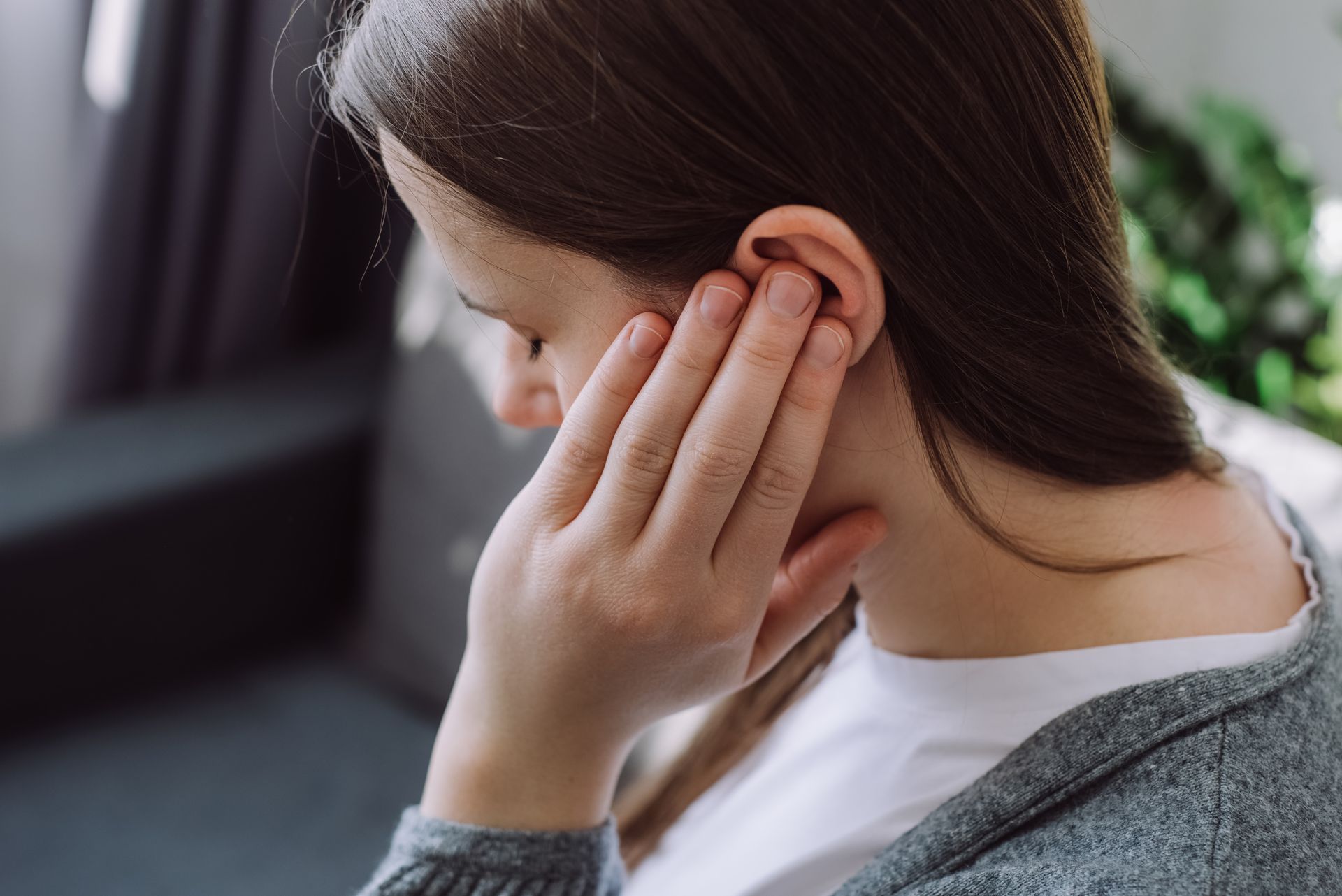
Last week, we talked about reducing your exposure to loud sounds by using custom earplugs that are more comfortable and perform far superior in terms of frequency response than the cheap foam earplugs. Any hearing protection is designed to reduce two things: hearing loss, and a hearing condition called tinnitus - also known as "ringing in the ears."
Tinnitus is often described as a phantom sound sensation where you hear ringing noises which are not caused by an outside source. It is a very common condition in which one in about every seven people experiences ringing sounds in their lifetime. This means millions are affected worldwide.
The exact cause of tinnitus is not known. Various conditions like exposure to very loud noise, certain strong medications, head or ear injuries, ear infection, bereavement or extreme stress are few of the factors that may cause tinnitus. It affects many musicians and those who work and live in noisy environments.
What happens in tinnitus?
There is considerable debate about what exactly happens in tinnitus. Damage of nerve cells, triggered by one of the factors mentioned above, is believed to cause tinnitus. This nerve damage generates an automatic ringing noise in the brain. Simply put, it is a compensation mechanism of the brain.
The part of the brain responsible for hearing is called the auditory cortex. About two million nerves from the two ears are connected to this auditory cortex. These nerves transmit all types of sound signals to the brain. A group of nerves is ‘tuned’ to a particular frequency and they assemble together at a region of the cortex.
|
|
|
In case of an episode of hearing loss, this sound frequency is disturbed in the cortex. Very soon, the brain triggers a compensation mechanism. Therefore, instead of remaining silent, the nerve assemblies throw a tantrum by spontaneously ‘ringing’ in a way as if the brain is confused. It results in an annoying ‘ringing tone’. Ironically, this ‘tantrum’ slowly becomes synchronized and generates a pattern and the vicious cycle of ‘ringing’ continues. Over time it becomes permanent. Almost like a broken piano key, where a sound keeps going even without the pianist.
You are not alone
About 19% of Americans experience tinnitus in their lifetime and more than half do not seek help. Majority of sufferers are over 60 years of age. That said, tinnitus can affect people of all ages. Many tinnitus sufferers also suffer from severe depression, which is worrying. People describe the noises as ringing, roaring, hissing, whistling or whizzing. Daily life is severely affected and is often very distressing. Tinnitus can be an all-consuming phenomenon for the person. Constant ringing in your ears would naturally be an irritant that would consequently lead to a lack of concentration, lack of sleep, fatigue, and anger.
Surprisingly, most people resign to the fact that nothing can be done and learn to live with it. There is a feeling of hopelessness and wish that one day it will disappear on its own.
This is not true.
What can you do?
Seek help.
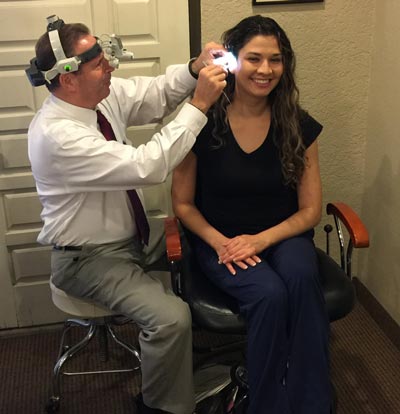
There are many effective ways in which experts can resolve your problem. These are easily available in a specialized audiology clinic like ourselves. Since we perform Tinnitus Treatment in our Tempe office, as well as online remotely from any location via Skype, there are several options to choose from. You can read more about those options here.
Tinnitus cannot be treated using medicine or surgical intervention, but there are effective ways to manage this condition. Expert audiologists can provide effective tools and self-control techniques that can modify the way you react to the ringing sensation.
There are standalone techniques available like Cognitive Behavior Therapy (CBT) and Tinnitus Retraining Therapy (TRT). These techniques either modify the persons’ behavior or mask the sound, which in turn provides relief.
In our clinic, we are in the enviable position to offer another technique which is a unique treatment method called the Rohe Method. This trademarked method, designed by our own Dr. Allen Rohe, combines the main principals of these standalone therapies and personalizes it for you to get maximum benefit.
Essentially, it is a method used to retrain the brain, desensitize the nervous system and emotionally separate the patient from the ringing sound. Regardless of what’s causing your tinnitus, and the nature and extent of the tinnitus, we would be able to address your individual concerns with the help of this program.
The information provided in this article is not meant to be medical advice and is for educational purposes only. If you would like to learn more about this and other hearing-related topics, feel free to contact Tinnitus & Hearing Center of Arizona by clicking here or by calling 480-764-3682.