The Science Behind Real Ear Measurements for Improved Hearing
What Are Real Ear Measurements & Why Are They So Important?
If you’ve been researching hearing aids, you may have come across the term “real ear measurements” or REM. But what does this actually mean, and why is it important for your hearing aid fitting? And is it even a necessary step in the hearing aid process?
At The Tinnitus and Hearing Center of Arizona, we believe in providing the most accurate and personalized hearing aid programming possible. That’s why we use real ear measurements to fine-tune your hearing aids so you can hear your best in every situation. Let’s dive into the science behind REM and how it improves your hearing. We promise, it’s super interesting!
What Are Real Ear Measurements?
No two ears are exactly alike. The shape and size of your ear canal impact how sound is delivered to your eardrum. That’s why a one-size-fits-all approach to hearing aid programming won’t provide you with the best results.
That’s where REM comes in!
How Real Ear Measurements Work
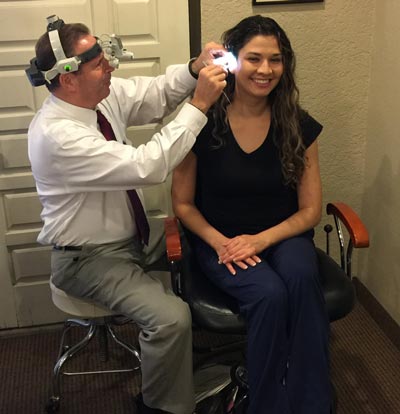
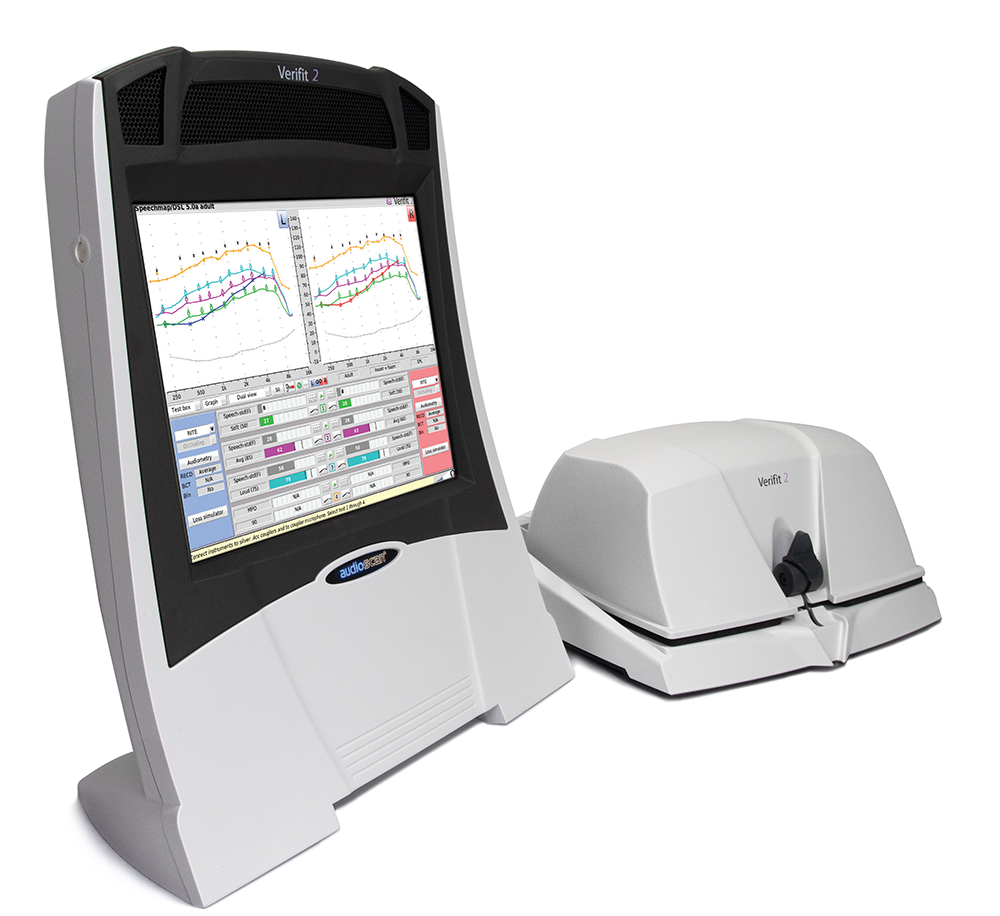
First, a small, flexible tube is placed inside your ear canal and positioned next to your eardrum. Then, your hearing aid is inserted while the tube measures how much sound actually reaches your eardrum.
We adjust your hearing aid settings based on these real-time measurements to ensure you’re getting the proper amplification. Our patients often say it tickles—don’t worry, it’s not painful!
Benefit #1 – A Truly Customized Hearing Aid Fit
Real ear measurements ensure your hearing aids are tailored to your uniquely shaped ear canal.
Even if two patients have the same hearing loss, the same hearing aids, and identical settings, their hearing experience can still be different. Why? Because the unique shape of each person’s ear canal affects how sound travels and is perceived.
Instead of relying on generic manufacturer defaults, we fine-tune your devices for clearer, more natural sound.
Benefit #2 – Better Speech Understanding
Studies show that patients who receive REM-guided programming experience:
- Higher listening ability
- Improved speech understanding in background noise
- Better communication in daily life
If you’ve ever struggled to hear conversations in noisy environments, REM helps optimize your hearing aids so you can focus on speech and minimize background distractions.
Sometimes, if a patient is having trouble understanding a specific person, we even ask them to bring that family member or friend to an appointment—so we can fine-tune the devices to better pick up that person’s voice.
Benefit #3 – More Comfort, Less Annoyance
New hearing aids can take some getting used to. Certain sounds may seem too sharp or too loud at first. With REM, we can fine-tune your settings for:
- A comfortable listening experience
- The right balance of volume and clarity
- Less listening fatigue throughout the day
Instead of “toughing it out,” let our expert audiologists make the necessary adjustments for you.
REM Helps Optimize Special Features
Today’s hearing aids come with a wide array of advanced features, from directional microphones to frequency lowering technology.
Real ear measurements allow us to verify that these features are working properly, and make sure you’re getting the full benefit from your devices.
Real Ear Measurements Lead to Greater Satisfaction
We could talk all day about the benefits of REM—but we’ve got the research to back it up!
A study by Valente et al. (2018) found that hearing aid manufacturers’ “first fit” settings often don’t match prescription targets. That means many patients aren’t getting the correct volume across all frequencies.
But when audiologists use REM, the fittings are significantly more precise. In fact, 79% of patients preferred the REM-programmed hearing aids over those using default settings.
Get the Best Hearing Experience Possible
At The Tinnitus and Hearing Center of Arizona, we recommend real ear measurements for every hearing aid fitting—because we believe in giving you the best hearing experience possible.
Better programming leads to better hearing… and that’s what matters most.
Are your hearing aids performing at their best? If not, we’d love to help you fine-tune your settings and get a more personalized fitting. Schedule an appointment with us today!