Better Hearing Through Smarter Technology How AI is Advancing Hearing Health
May is Better Speech and Hearing Month, a time when we like to raise awareness about hearing health and the incredible advancements that have happened in the world of hearing technology. And of course, no conversation about technology is complete without mentioning artificial intelligence. In addition to all of the other ways AI is revolutionizing the world these days, it is also greatly helping people with hearing loss. It can help to make conversations clearer, reduce background noise, and even learn your unique listening preferences.
While new technology can sometimes feel overwhelming, AI-powered hearing aids are designed to make life easier, not more complicated. Let's explore how this new technology works, address some common concerns and look ahead to the future of hearing health!
How AI is Enhancing Hearing Health
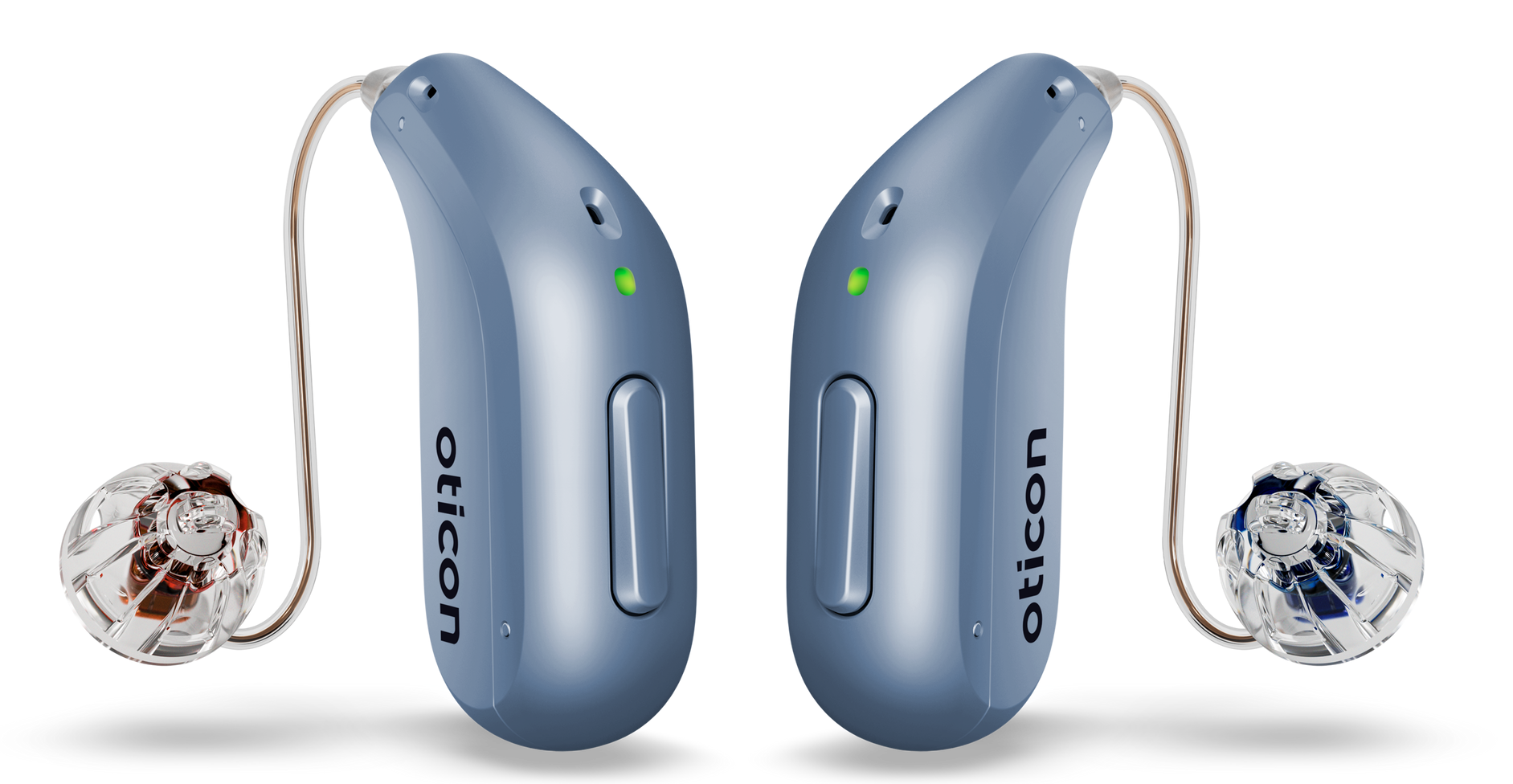
Hearing aids have come a long way. In decades past, they would simply amplify sounds. But today’s technologically advanced devices incorporate deep neural networks, which is a type of AI that mimics the way the human brain processes input (like sound, for example).
Deep neural network technology allows hearing aids to learn from incredible amounts of real-world sound data. Instead of applying a one-size-fits-all approach, these AI-powered hearing aids can start to recognize speech patterns, better distinguish voices from background noise, and adjust their own settings in real time.
How Does This Benefit You?
- Clearer Conversations – The hearing aids use artificial intelligence to prioritize speech over background noise, which makes it much easier for you to hear in loud environments.
- Adaptive Learning – The more you use your hearing aids, the better they get at understanding your preferences and they will automatically adjust to your surroundings.
- Reduced Listening Effort – By handling complex sound processing automatically, AI-powered hearing aids can reduce the amount of effort your brain uses to focus on listening.
Common Questions We Get About AI Devices
As with any new technology, it is totally normal to have questions and concerns. For example, we know that some people are concerned that AI-powered hearing aids can listen to their conversations or track their location. So let’s talk about some of those questions!
Question #1 - “Are my hearing aids spying on me?”
No. AI technology in hearing aids doesn’t record or transmit your conversations. It simply processes sounds in real time to improve clarity and reduce noise.
Question #2 - “Are AI hearing aids going to be too complicated to use?”
Quite the opposite! We have found that the integrated AI technology actually makes the listening experience easier due to the automatic adjustments. No more fiddling with the settings! Many devices even have smartphone apps for easy customization.
Question #3 - “I love my audiologist. Why can’t they just help me?”
This is maybe our favorite question because of course, we love you too. But AI is not going to replace us. Instead, it’s a tool that helps us provide you with more personalized care. We will still be here to help or just to check in and see how you’re doing!
At The Tinnitus and Hearing Center of Arizona, we prioritize transparency. Our goal is to help you feel comfortable with your hearing technology, and empower you to make the best choices for your hearing health. If you have questions about hearing technology or AI that we haven’t covered here, you can always reach out to us at 480-831-6159 and we’ll be happy to chat through it with you.
Looking Ahead to the Future of Hearing
We’re just seeing the very beginning of AI’s impact on hearing health. As research continues, we will likely see even more improvements in areas like speech recognition and integration with other smart devices. There are even some exciting studies being done with AI and tinnitus that could bring relief to so many people. We are watching this space closely and will be sure to share news and developments as we see them!
Take the Next Step Toward Better Hearing
May is Better Speech and Hearing Month, which is the perfect time to schedule a hearing test or a consultation. You deserve to hear the world around you and enjoy everything life has to offer. Call 480-831-6159 and we’ll take care of you. Your journey to better hearing starts now!